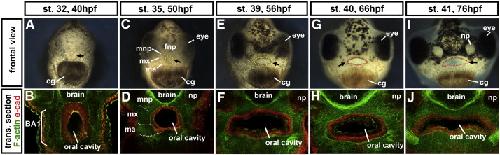
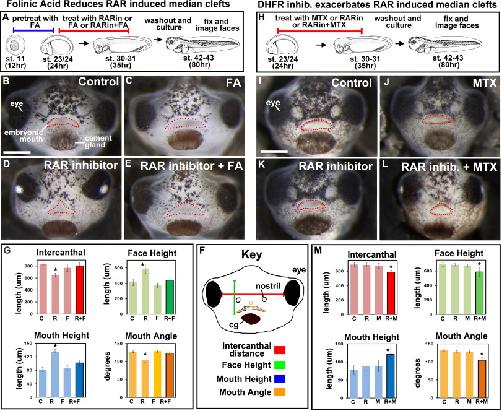
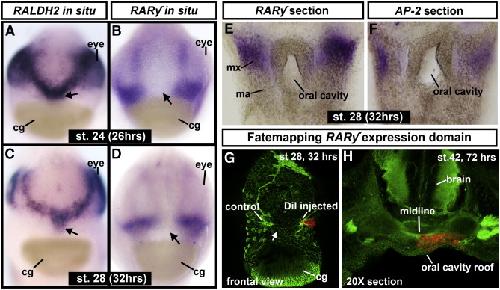
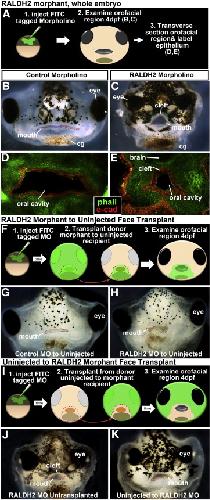
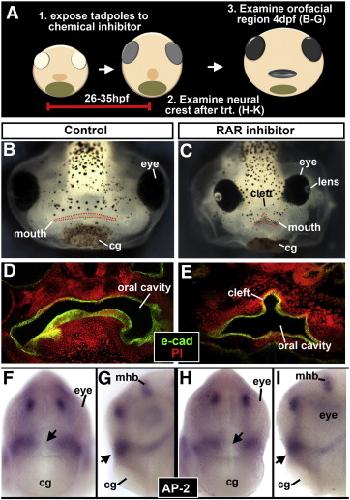
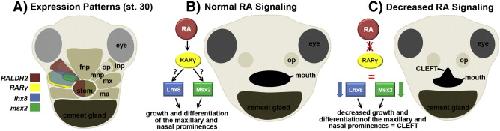
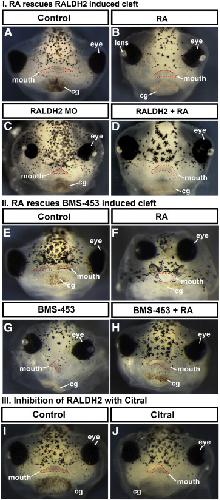
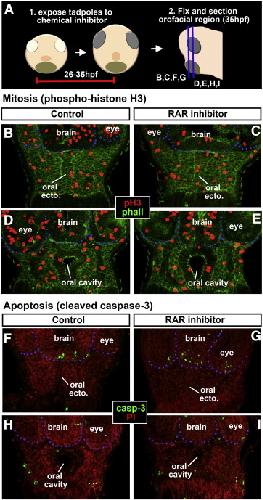
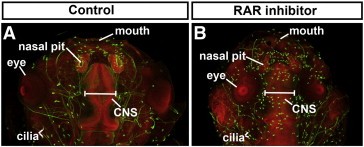
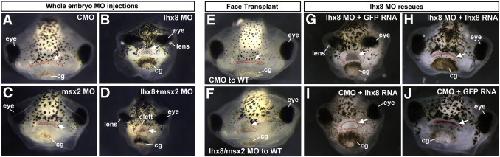
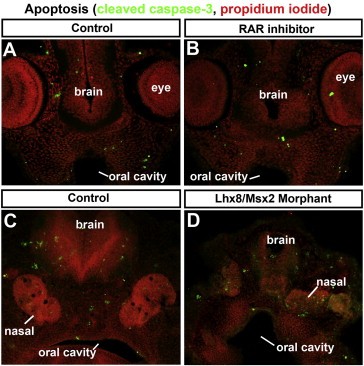
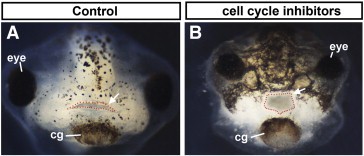
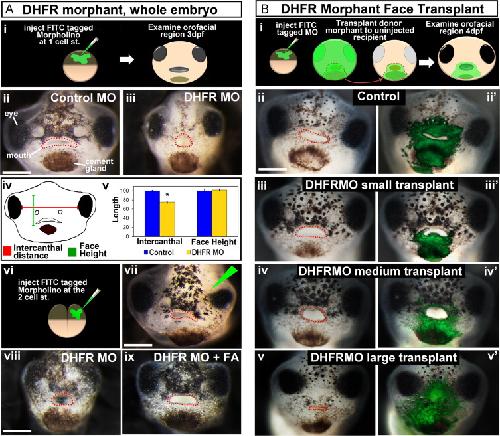
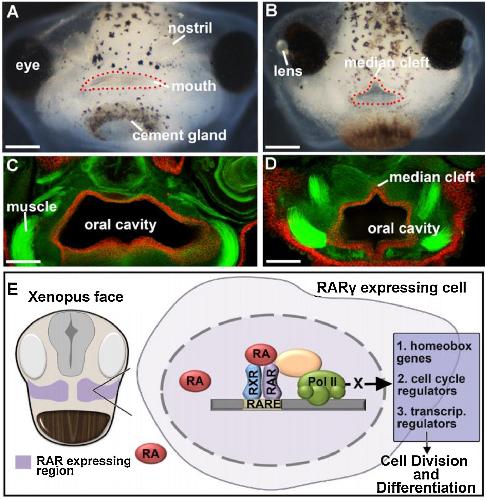
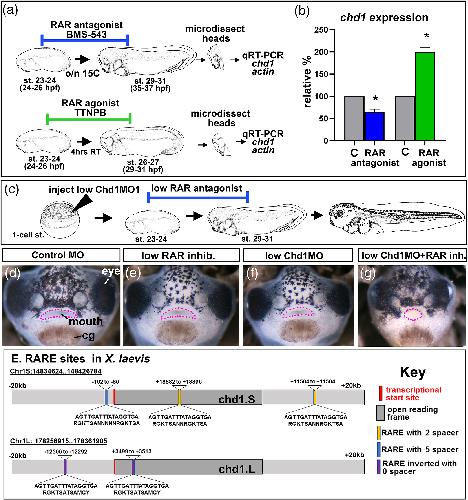
Median facial clefts in Xenopus laevis: roles of retinoic acid signaling and homeobox genes.,
Kennedy AE,Dickinson AJ,
Dev Biol. May 1, 2012; 365(1):1095-564X.

|
|
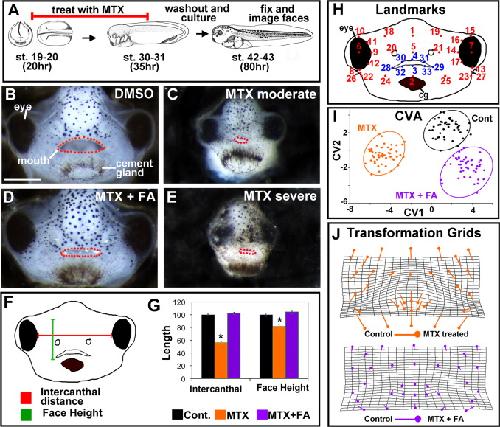
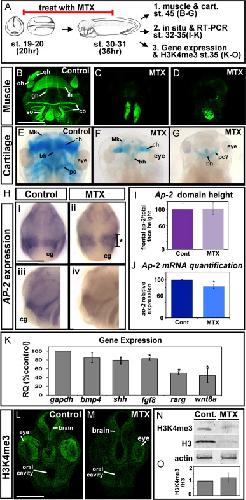
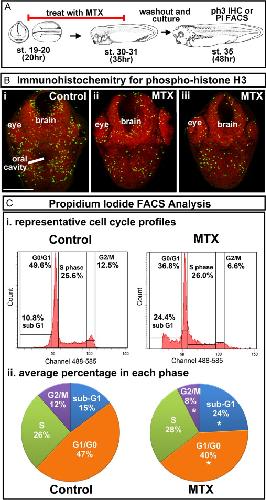
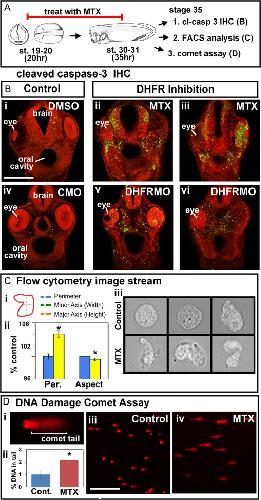
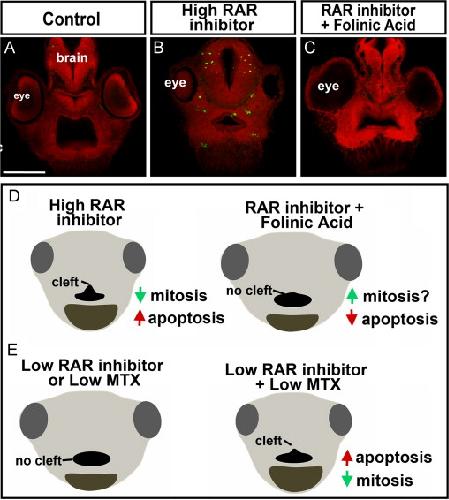
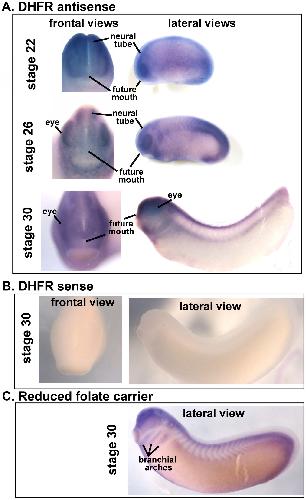
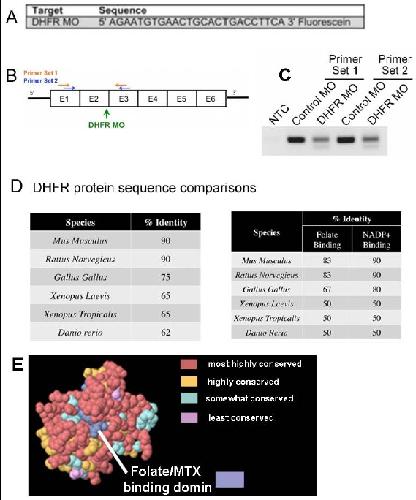
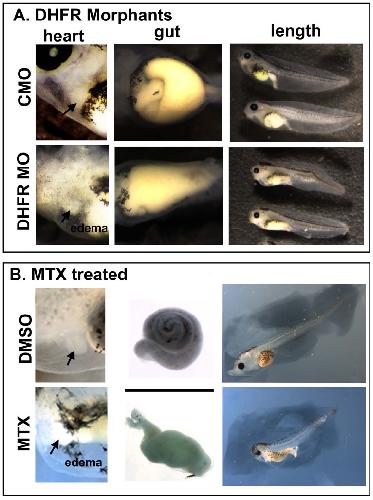
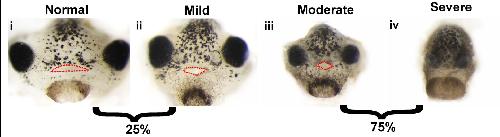
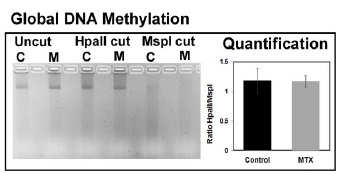
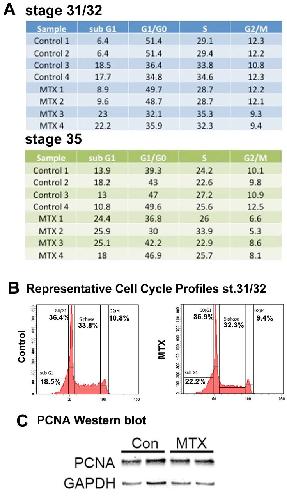
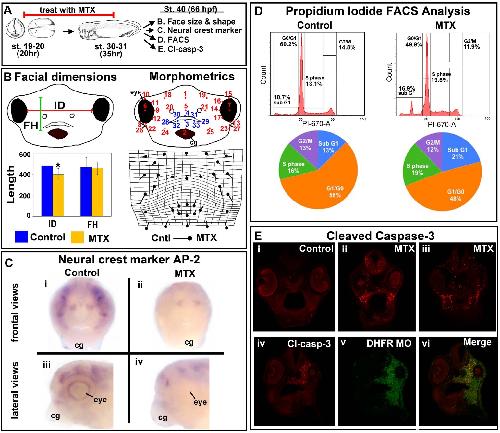
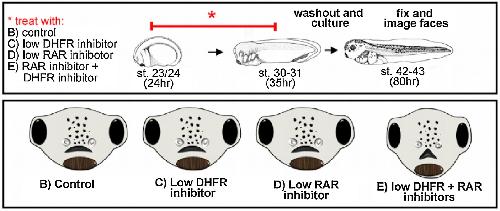
The role of folate metabolism in orofacial development and clefting.,
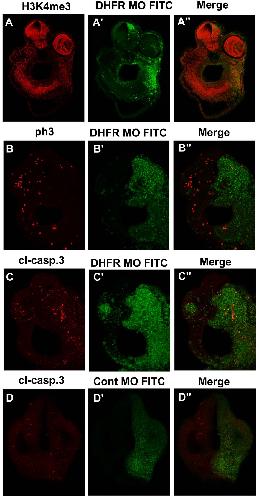
Wahl SE,Kennedy AE,Wyatt BH,Moore AD,Pridgen DE,Cherry AM,Mavila CB,Dickinson AJ,
Dev Biol. September 1, 2015; 405(1):1095-564X.
|
|
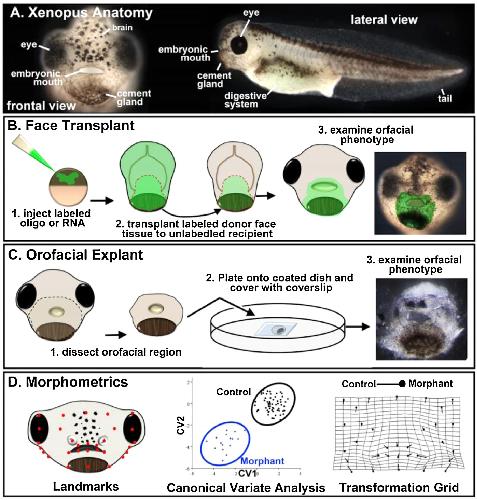
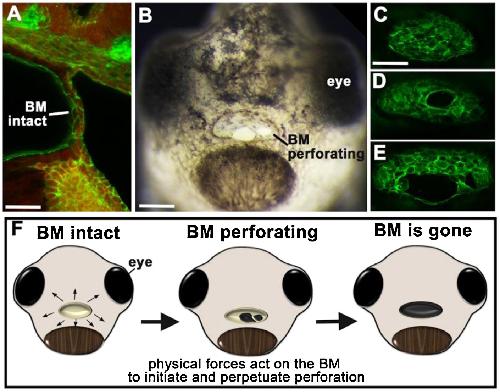
Using frogs faces to dissect the mechanisms underlying human orofacial defects.,
Dickinson AJ,
Semin Cell Dev Biol. March 1, 2016; 51:1096-3634.
|
|
Modeling human craniofacial disorders in Xenopus.,
Dubey A,Saint-Jeannet JP,
Curr Pathobiol Rep. March 1, 2017; 5(1):2167-485X.
|
|
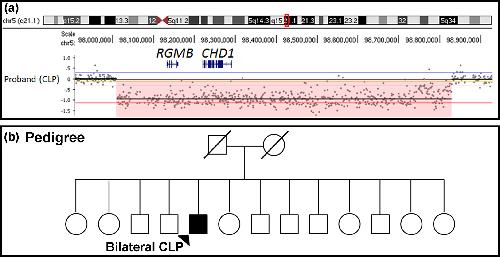
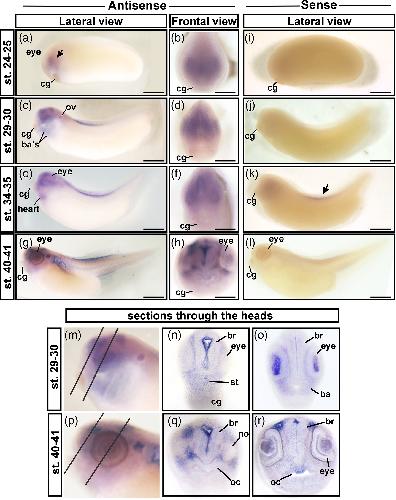
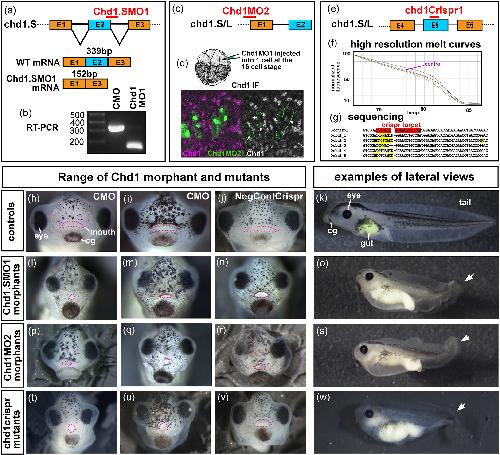
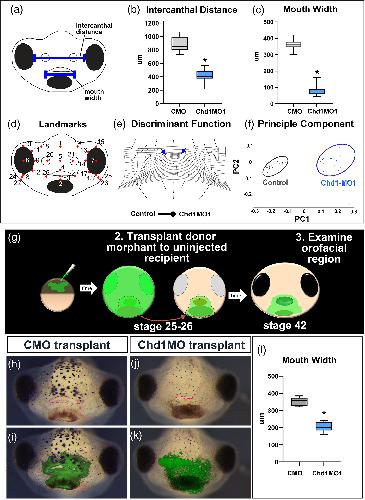
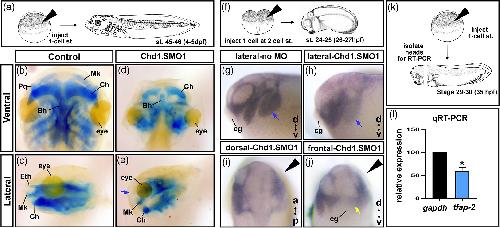
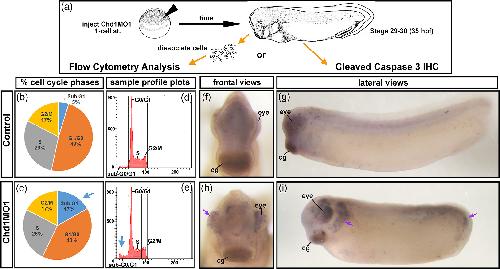
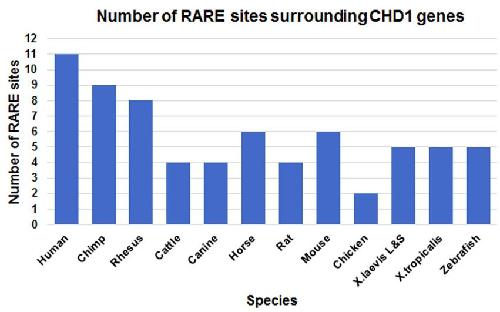
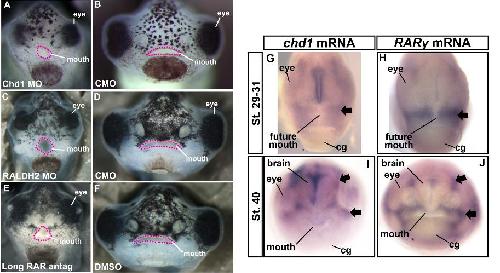
Using an aquatic model, Xenopus laevis, to uncover the role of chromodomain 1 in craniofacial disorders.,
Wyatt BH,Raymond TO,Lansdon LA,Darbro BW,Murray JC,Manak JR,Dickinson AJG,
Genesis. February 1, 2021; 59(1-2):1526-968X.
|
|
Role of epigenetics and miRNAs in orofacial clefts.,
Garland MA,Sun B,Zhang S,Reynolds K,Ji Y,Zhou CJ,
Birth Defects Res. November 1, 2020; 112(19):2472-1727.
|
|
Modeling endoderm development and disease in Xenopus.,
Edwards NA,Zorn AM,
Curr Top Dev Biol. January 1, 2021; 145:1557-8933.
|
|
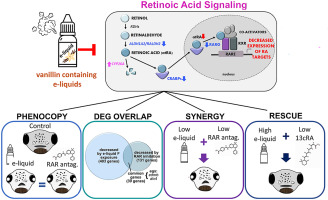
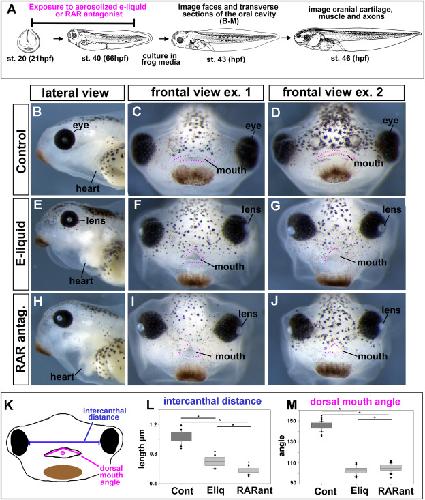
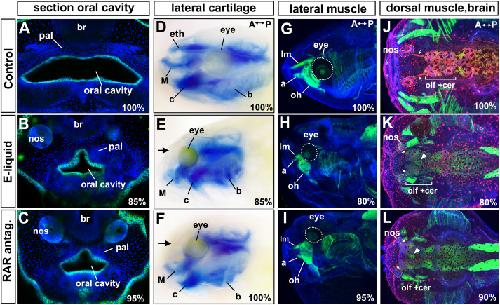
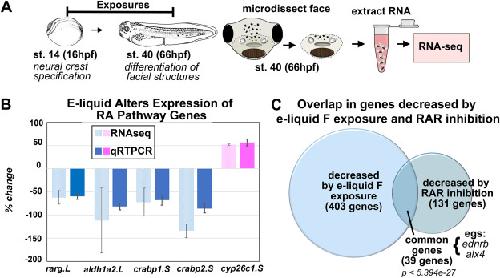
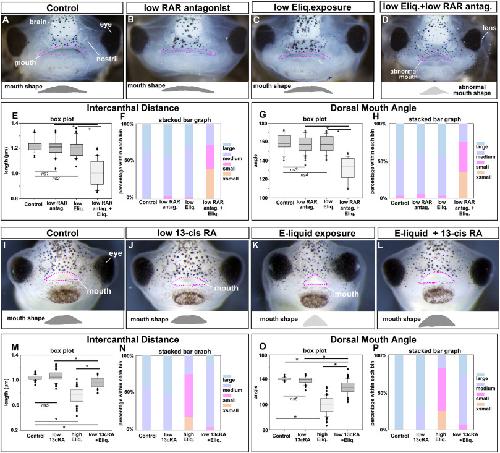
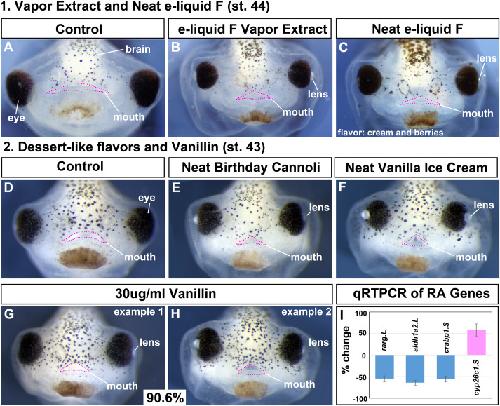
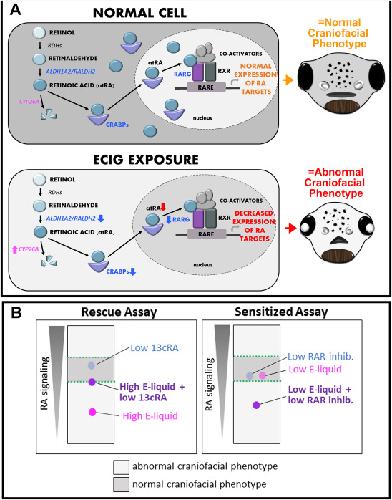
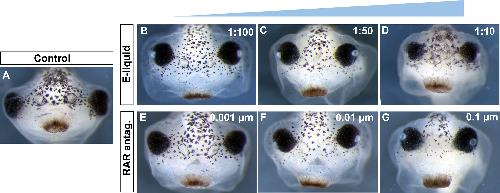
E-liquids and vanillin flavoring disrupts retinoic acid signaling and causes craniofacial defects in Xenopus embryos.,
Dickinson AJG,Turner SD,Wahl S,Kennedy AE,Wyatt BH,Howton DA,
Dev Biol. January 1, 2022; 481:1095-564X.
|
|
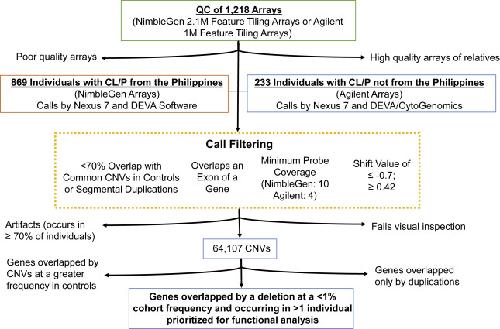
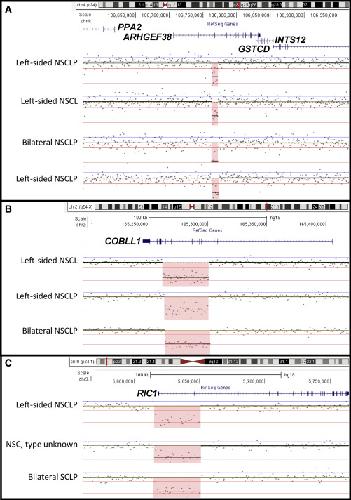
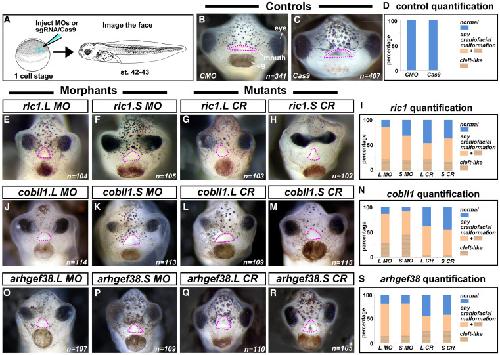
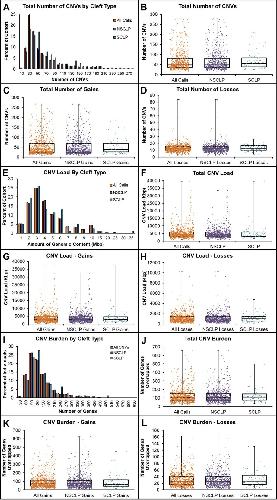
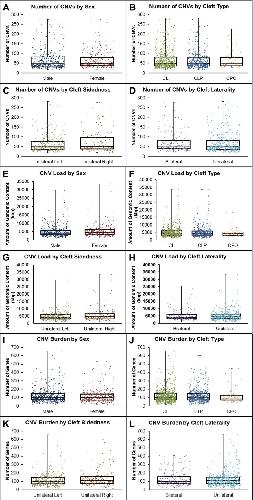
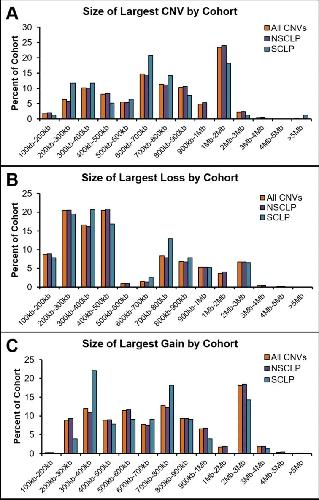
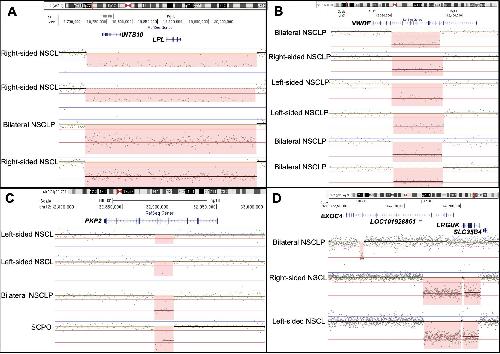
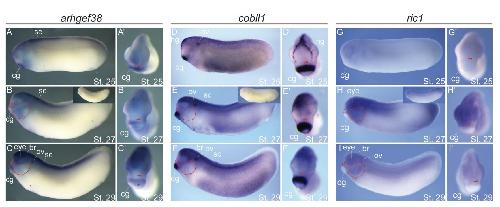
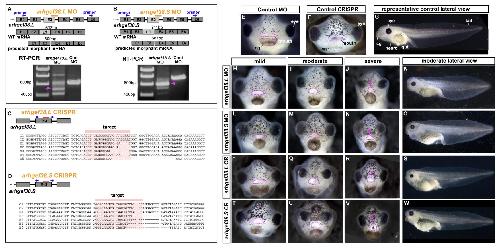
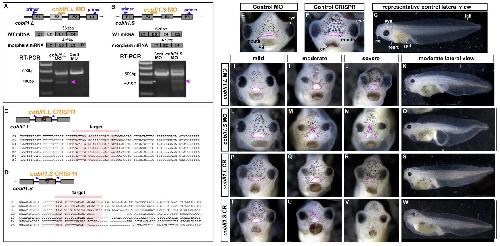
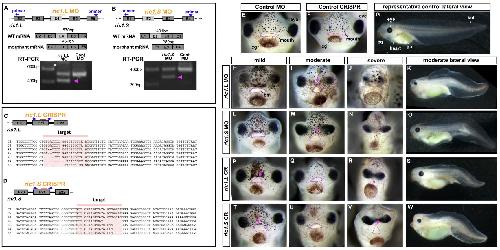
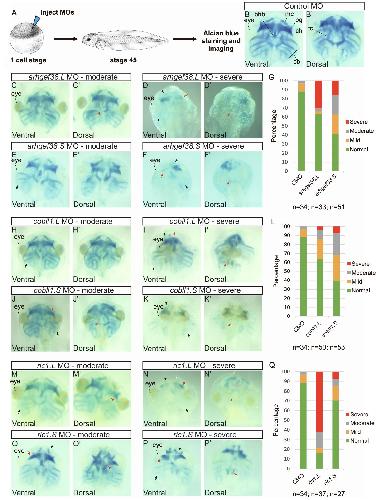
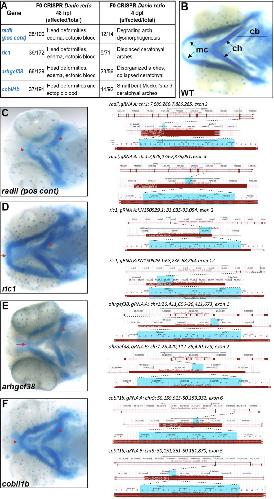
Genome-wide analysis of copy-number variation in humans with cleft lip and/or cleft palate identifies COBLL1, RIC1, and ARHGEF38 as clefting genes.,
Lansdon LA,Dickinson A,Arlis S,Liu H,Hlas A,Hahn A,Bonde G,Long A,Standley J,Tyryshkina A,Wehby G,Lee NR,Daack-Hirsch S,Mohlke K,Girirajan S,Darbro BW,Cornell RA,Houston DW,Murray JC,Manak JR,
Am J Hum Genet. January 5, 2023; 110(1):1537-6605.
|

 :
: